Introduction: The Evolution of Raiding in World of Warcraft
Raiding has always been one of the most defining aspects of World of Warcraft. From the early days in Vanilla WoW, where raiding was a complex, challenging, and often frustrating experience, to the modern iterations of raids that cater to a wider range of players, raiding has undergone significant changes. In this article, we’ll take a look at how raiding has evolved since Vanilla WoW, focusing on the changes in raid design, difficulty, accessibility, and the overall player experience.
Raid Size and Accessibility
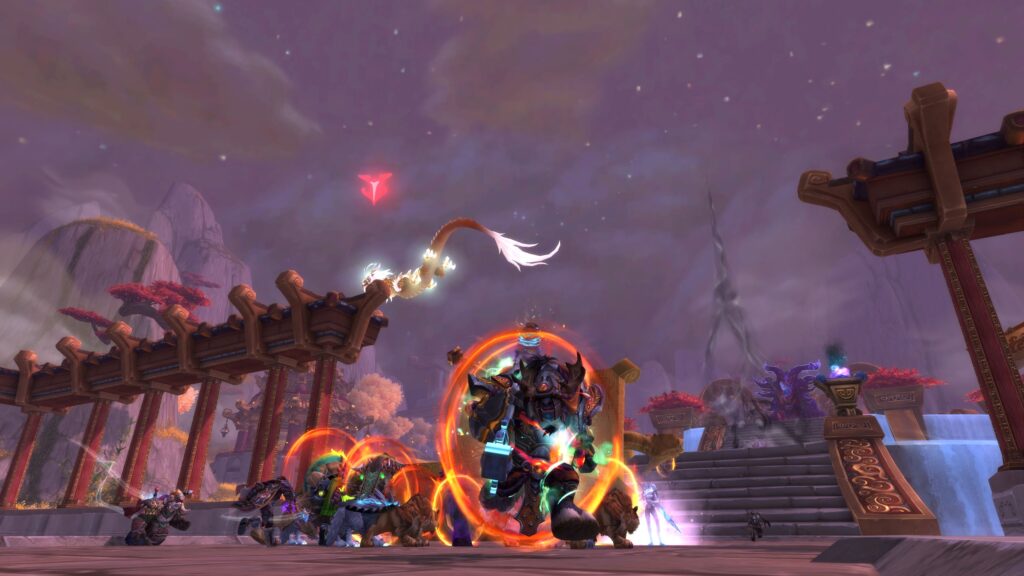
One of the most obvious changes in raiding since Vanilla WoW is the shift in raid size. Vanilla raids like Molten Core and Onyxia’s Lair required 40 players to complete, which created a huge demand for coordination and resources. Over the years, raid sizes have been reduced, with most current raids featuring 10 to 30 players. This shift was made to improve accessibility and ease of organization, especially as WoW’s player base grew larger and more diverse.
How Raid Size Has Evolved
- 40-Man Raids in Vanilla – Vanilla raids required massive guilds and significant coordination to succeed, making them more exclusive and challenging.
- Smaller Raids in Modern WoW – Modern raids focus on smaller group sizes, making it easier for players to participate in raids without needing as large of a guild.
Raid Design and Complexity
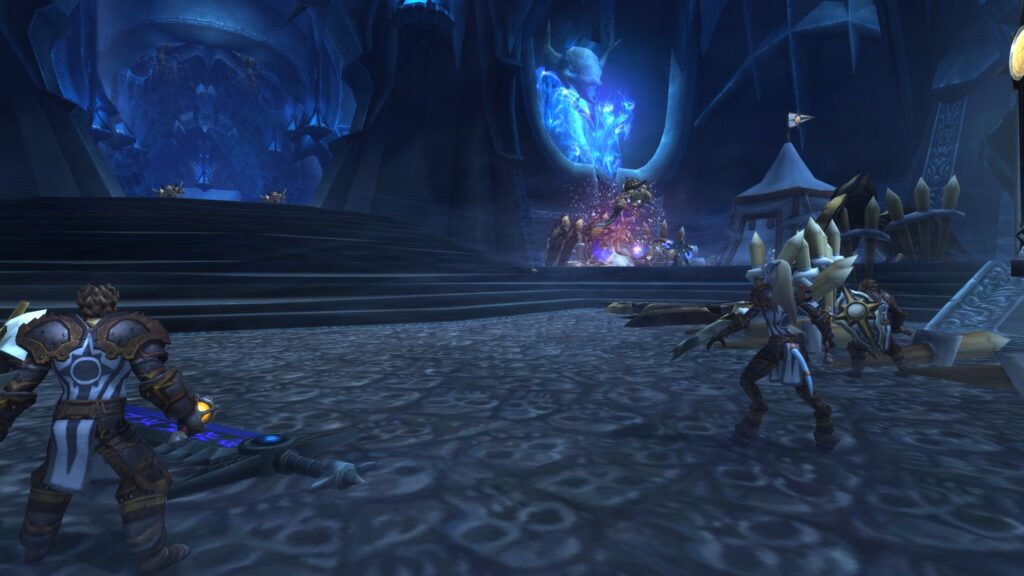
Raid design has also evolved significantly over the years. Vanilla raids were primarily focused on overwhelming players with high damage, mechanics that punished mistakes, and long, drawn-out encounters. Modern raids, while still challenging, have incorporated more intricate mechanics, diverse fight styles, and puzzles that require precise coordination between raid members. Boss fights have become more varied, and raid encounters often include multiple phases with complex interactions.
How Raid Design Has Changed
- Simpler Encounters in Vanilla – Vanilla raids often featured relatively simple boss fights that were more about raw damage and survival.
- Complex Mechanics in Modern Raids – Modern raids are designed with more complex mechanics, often requiring players to juggle multiple tasks, including positioning, debuff management, and crowd control.
Raid Difficulty and the Addition of Flexible Modes
In the early days of WoW, raiding difficulty was fixed—if you couldn’t get 40 players together and tackle a raid, you simply couldn’t participate. This made it difficult for many players to experience endgame content. With the introduction of difficulty modes like Normal, Heroic, and Mythic, raiding has become more accessible to players of varying skill levels. This change allows players to choose the level of challenge that fits their abilities and playstyle, without locking them out of the content.
The Introduction of Raid Difficulty Modes
- Vanilla’s Fixed Difficulty – Raids in Vanilla WoW were designed to be tackled by a single difficulty, requiring significant commitment and coordination.
- Flexible Modes in Modern WoW – Today’s raids offer multiple difficulty levels, from Normal for casual players to Mythic for hardcore raiders, providing more options for different types of players.
The Social Aspect of Raiding
In Vanilla WoW, raiding was a highly social activity, requiring players to organize large groups and maintain a strong sense of guild loyalty. The need for coordination across multiple time zones and players often resulted in strong social bonds within guilds. Over time, as the game evolved and more tools for finding groups and raids were implemented, the social aspect of raiding has become less prominent, with more players opting for the ease of looking for group (LFG) systems and cross-realm raiding.
The Changing Social Dynamics
- Guild-Centric Raiding in Vanilla – Raiding was an integral part of guild life, often fostering strong social ties among players.
- LFG and Cross-Realm Raiding – Modern tools have made it easier to raid without a dedicated guild, allowing players to join raids from different realms or create temporary groups.
The Role of Loot in Raiding
Loot has always been a major part of raiding, and in Vanilla WoW, it was often the most motivating factor. The loot system in Vanilla was primarily based on rolling for items, which could lead to frustration if your roll didn’t win. Over time, Blizzard introduced different loot systems, such as the Personal Loot and Master Loot systems, to reduce friction and make loot distribution more equitable. These changes have helped improve the raiding experience, though loot is still one of the key rewards for completing raids.
How Loot Systems Have Evolved
- Loot Rolling in Vanilla – In Vanilla, loot was distributed based on random rolls, leading to potential conflicts and frustration over loot distribution.
- Modern Loot Systems – Today, personal loot systems and more transparent loot distribution methods have helped reduce drama and frustration over loot.
Conclusion: A Changed Raiding Landscape
Raiding in World of Warcraft has undergone a massive transformation since the days of Vanilla. From smaller raid sizes and more complex designs to a wider range of difficulty modes and loot distribution systems, the experience of raiding has become more accessible and diverse. While some may argue that the spirit of Vanilla raiding is lost, there’s no doubt that the changes have helped WoW remain relevant and engaging for a wider range of players. Raiding is still an integral part of the game, and its evolution ensures that it will continue to be a key feature for many years to come.
Home